TOPIC:TCM and the Management of Menstrual Pain
2026-08-15 View: 175 | Written by:lekang
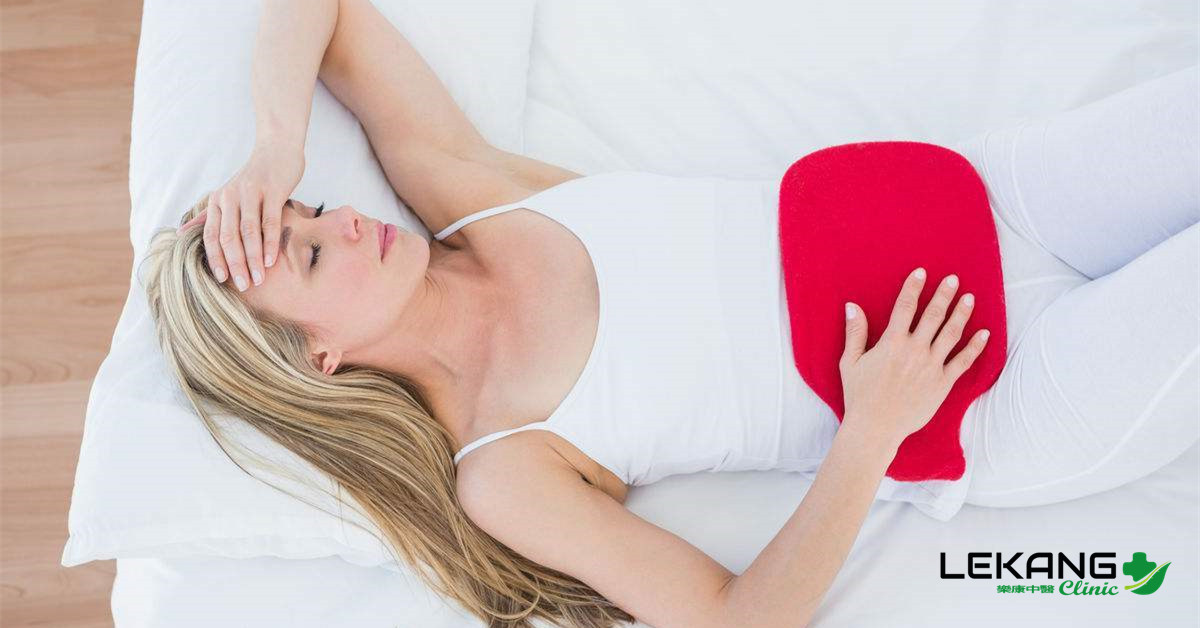
Traditional Chinese Medicine and the Management of Menstrual Pain
Menstrual pain, also known as dysmenorrhea, is one of the most common symptoms experienced by women. It is typically characterized by cramping or aching pain in the lower abdomen before, during, or after menstruation. Some women may also experience lower back or sacral pain, along with other discomforts.
The symptoms and their severity vary from person to person. Some women may experience nausea, vomiting, diarrhea, dizziness, headaches, fatigue, cold sweats, or breast tenderness. In severe cases, intense pain may cause fainting or loss of consciousness and can significantly affect daily activities and quality of life.
Types and Causes of Menstrual Pain
According to modern medicine, dysmenorrhea can generally be classified into two types:
1. Primary Dysmenorrhea
Primary dysmenorrhea refers to menstrual pain that occurs without an identifiable abnormality of the reproductive organs. It is commonly associated with uterine contractions and physiological changes in the body, which can cause cramping or pain in the lower abdomen.
2. Secondary Dysmenorrhea
Secondary dysmenorrhea is menstrual pain caused by an underlying disease or abnormality of the reproductive system, such as endometriosis, uterine fibroids, or adenomyosis. It commonly occurs in women of reproductive age and may become more severe or abnormal over time.
The Traditional Chinese Medicine Perspective on Menstrual Pain
In Traditional Chinese Medicine (TCM), menstrual pain is known as “经行腹痛” (Jīng Xíng Fù Tòng), meaning abdominal pain occurring during menstruation. TCM considers menstrual pain in relation to an individual's underlying constitution and the changes in Qi and Blood before, during, and after menstruation.
A fundamental TCM principle is:
“不通则痛,不荣则痛”
“When there is obstruction, there is pain; when there is insufficient nourishment, there is pain.”
This concept suggests that pain may occur when the circulation of Qi and Blood is obstructed or when the body and tissues are not adequately nourished.
Factors That May Be Considered in TCM
- Kidney Qi or Kidney Yang deficiency
This may be associated with constitutional factors, overwork, multiple pregnancies, or chronic illness. - Qi and Blood deficiency
Physical weakness, prolonged illness, or weakened digestive function may affect the body's ability to produce sufficient Qi and Blood. - Qi stagnation and Blood stasis
Stress, emotional fluctuations, or anger may affect the smooth circulation of Qi and Blood. - Cold accumulation and Blood stasis
Excessive consumption of cold foods or beverages, or exposure to cold during menstruation, may contribute to this pattern according to TCM theory. - Accumulation of Dampness and Heat
Internal factors or environmental conditions may contribute to the accumulation of Dampness and Heat, which may interfere with the circulation of Qi and Blood.
Managing Menstrual Pain with Traditional Chinese Medicine
1. Chinese Herbal Medicine
A TCM practitioner assesses each individual's condition and identifies the underlying pattern, such as Kidney deficiency, Qi and Blood deficiency, Qi stagnation and Blood stasis, Cold accumulation and Blood stasis, or Dampness and Heat. Chinese herbal medicine may then be selected according to the individual's specific condition.
2. Acupuncture
From a TCM perspective, acupuncture is used to help restore the balance of Yin and Yang, promote the circulation of Qi and Blood, and regulate the body's meridians. It may be incorporated into a personalized approach to managing menstrual pain.
Treatment methods may vary depending on the practitioner's assessment and may include:
- Acupuncture at various points of the body, including the ears, head, wrists, and ankles
- Electroacupuncture, which combines acupuncture with mild electrical stimulation
- Moxibustion, a traditional therapy that uses gentle heat to warm specific acupuncture points
Self-Care Tips Based on TCM Principles
- Before and during menstruation, consider reducing raw, cold, spicy, and greasy foods, as well as caffeine-containing foods and beverages such as coffee, tea, and chocolate.
- Keep the body warm and avoid excessive exposure to cold, particularly around the lower abdomen.
- Pay attention to personal hygiene during menstruation.
- Try to relax and avoid excessive stress or intense emotional fluctuations.
- Engage in appropriate physical activity, maintain a balanced diet, get adequate rest, and prioritize good-quality sleep.
More information:
- Location: Trendy office & plaza, 1A floor, Sukhumvit 13, North Klongtoey, Wattana, Bangkok.
- Service hours: Mon / Fri / Sat 10:00am - 7pm, Tue - Thur 09:00am - 05:30pm.
- Tel. : 0813558736
- Line ID : @lekangclinic
- WhatsApp : +66 81 355 8736
- Email: [email protected]


